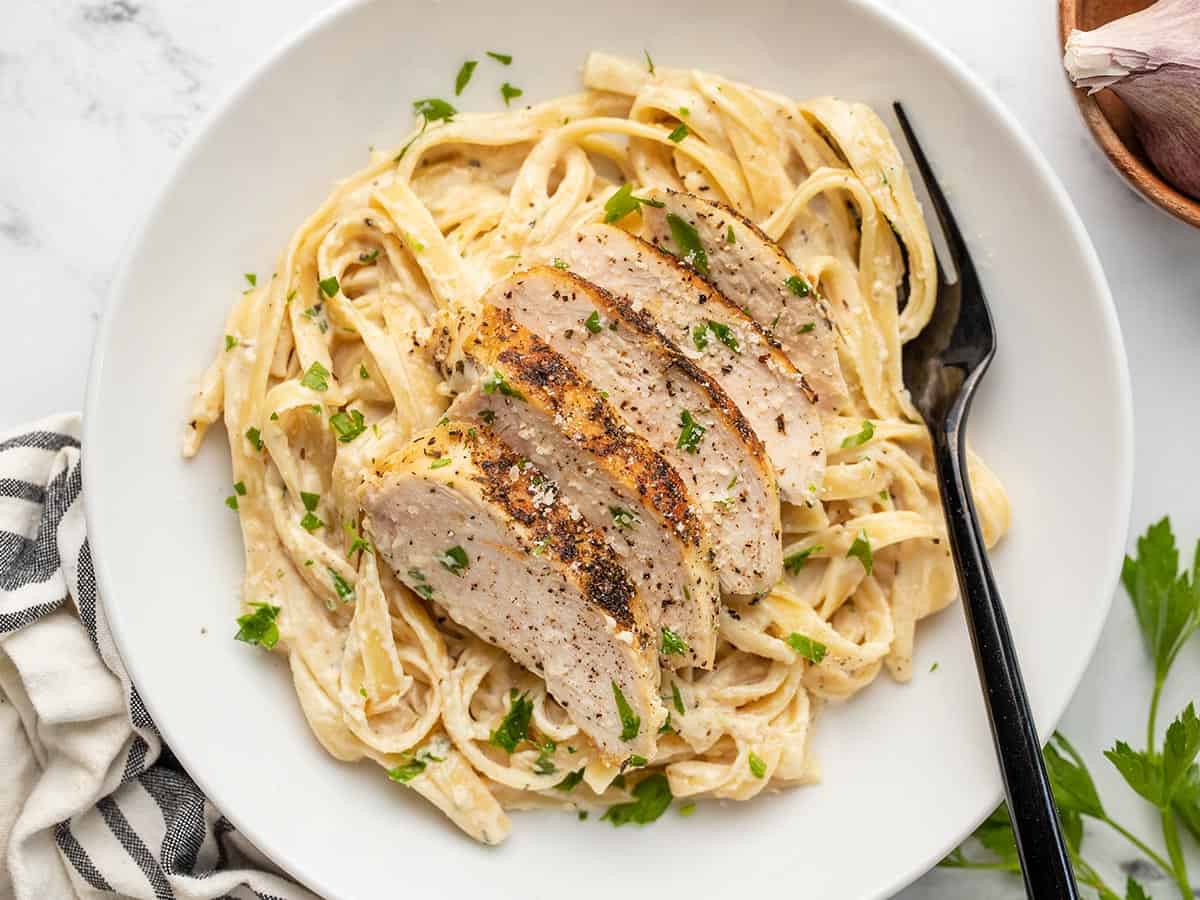
There's something uniquely comforting about a plate of homemade chicken alfredo. It's a dish that evokes warmth, satisfaction, and a touch of gourmet elegance, yet it’s surprisingly straightforward to prepare in your own kitchen. Forget the bland, store-bought versions; an authentic homemade chicken alfredo, featuring perfectly cooked chicken, tender pasta, and a rich, velvety cream sauce, is a true showstopper meal that can be on your table in around 30 minutes. It's the kind of dish that makes an ordinary weeknight feel special, and your family will undoubtedly request it again and again.
The magic of a truly outstanding chicken alfredo lies in the harmonious blend of its three main components: wonderfully seasoned, pan-fried chicken with a golden crust, perfectly cooked pasta, and, of course, that irresistible garlic and Parmesan cream sauce. Each element is delightful on its own, but when combined, they create a symphony of flavors and textures that defines comfort food at its finest. This article will guide you through mastering each component, offering essential tips for achieving the perfect sauce and chicken every time, turning your kitchen into a hub of culinary excellence.
The Heart of the Dish: Crafting the Perfect Alfredo Sauce
The sauce is, without a doubt, the soul of any great chicken alfredo. It’s what transforms simple pasta and chicken into a luxurious, unforgettable meal. Achieving that dreamy, luscious consistency and rich flavor isn't difficult, but it does require attention to a few key details. Master this, and you're well on your way to a truly amazing dish.
The Parmesan Predicament: Block vs. Pre-Shredded
This is perhaps the single most crucial tip for a stellar alfredo sauce: always use real Parmigiano-Reggiano right off the block. While convenient, pre-shredded cheeses are often coated with anti-caking agents like cellulose or starch. These additives prevent the cheese from melting properly, leading to a grainy, clumpy sauce rather than the smooth, velvety texture you desire. Furthermore, the flavor of freshly grated, authentic Parmigiano-Reggiano is unparalleled – nutty, salty, and complex – elevating your sauce to a whole new level compared to its pre-packaged counterparts. Invest in a good block and a grater; your taste buds will thank you.
Achieving the Ideal Consistency: Not Too Thick, Not Too Thin
The perfect alfredo sauce should be thick enough to cling to every strand of pasta but still pourable and creamy. If you find your sauce is too thin, don't fret. Simply allow it to simmer gently over low heat for a few extra minutes, stirring occasionally. As the water evaporates, the sauce will naturally thicken. Alternatively, if you take it off the heat and let it sit for a minute or two before tossing with the pasta, it will also firm up slightly as it cools. Conversely, if your sauce becomes too thick or tight, especially after adding the cheese, you can easily loosen it. The secret weapon here is a splash of reserved pasta water. The starch in the pasta water helps emulsify the sauce, creating a smoother, silkier texture while thinning it to your desired consistency. Add it a tablespoon at a time until perfect.
Flavor Boosters for a Deeper Taste
Beyond Parmesan and cream, a few simple additions can dramatically enhance your sauce's depth. Freshly minced garlic is non-negotiable, infusing the sauce with aromatic warmth. For an unexpected but delightful touch, consider adding a tiny pinch of freshly grated nutmeg. It doesn't make the sauce taste like nutmeg; instead, it subtly amplifies the creaminess and overall richness, a classic Italian secret. A generous grind of fresh black pepper just before serving also adds a lovely bite and visual appeal.
A Lighter Touch: Adjusting for Dietary Preferences
Let's be honest: traditional chicken alfredo is a rich, indulgent dish. But if you're looking to cut back on calories or fat, you can make adjustments. Substituting heavy whipping cream with half-and-half or even whole milk will result in a lighter sauce. Be mindful, however, that lower fat content typically means a thinner sauce. To compensate, you might need to simmer it slightly longer to encourage thickening, or be prepared for a slightly less decadent consistency. While it won't be quite as luxurious as a heavy cream version, it can still be wonderfully satisfying. For more streamlined cooking, check out our Minute Chicken Alfredo: Easy, Creamy & Amazing Recipe!
Mastering the Chicken: Golden, Juicy, and Flavorful
The chicken in your chicken alfredo shouldn't just be an afterthought; it should be a star in its own right. Perfectly cooked chicken breasts are juicy, tender, and boast a beautiful golden-brown crust that adds both flavor and texture to the dish.
Seasoning for Success
Before it even hits the pan, your boneless, skinless chicken breasts need proper seasoning. A simple yet effective blend typically includes salt, freshly ground black pepper, garlic powder, and a touch of paprika for color and a hint of smoky sweetness. Make sure to season both sides evenly. For thicker chicken breasts, you might consider pounding them slightly to an even thickness (about 3/4 inch). This ensures they cook more uniformly and quickly, preventing dry spots.
The Pan-Frying Technique for a Golden Exterior
Preheat your skillet over medium-high heat with a tablespoon or two of olive oil or butter until shimmering. Place the seasoned chicken breasts in the hot pan, ensuring not to overcrowd it. Cook for about 4-6 minutes per side, depending on thickness, until a beautiful golden-brown crust forms. The key is to resist the urge to move the chicken too much; let it develop that gorgeous sear undisturbed. This browning, known as the Maillard reaction, is what builds incredible flavor.
Precision Cooking: The Instant-Read Thermometer is Your Friend
The biggest enemy of juicy chicken is overcooking. To take the guesswork out of knowing when your chicken is perfectly done, an instant-read thermometer is an invaluable tool. Insert it into the thickest part of the chicken breast; it's safe to eat when it reaches an internal temperature of 165°F (74°C). Remember that chicken will continue to cook slightly as it rests, a phenomenon called carryover cooking. So, pulling it off the heat right at 160-162°F and letting it rest can help ensure it doesn't dry out. This precision is vital for succulent, tender chicken every time.
The Importance of Resting
Once cooked, transfer the chicken to a cutting board and let it rest for at least 5-10 minutes before slicing. This step is non-negotiable. Resting allows the juices, which have been driven to the center by the heat, to redistribute throughout the meat. If you slice it too soon, those precious juices will simply run out, leaving you with dry chicken. After resting, slice your chicken against the grain into thin strips or cubes for maximum tenderness and easier incorporation into the pasta.
Noodle Nirvana: Choosing and Cooking Your Pasta
The pasta serves as the foundation and vehicle for the rich sauce and chicken. Its choice and preparation are crucial for the overall experience of your chicken alfredo.
Selecting the Perfect Noodle
Not all pasta is created equal when it comes to holding a thick, creamy sauce. A long, flat noodle like fettuccine is the classic choice for alfredo, and for good reason: its broad surface area provides ample space for the sauce to cling to, ensuring every bite is rich and flavorful. Linguine is another excellent option with a similar profile. If you prefer shorter shapes, penne or rigatoni work wonderfully; their ridges and hollow centers are perfect for catching and holding the sauce. Even large shells can be a fun alternative. However, avoid very thin, delicate pastas like angel hair, as they tend to get lost and break apart under the weight and richness of a hearty alfredo sauce. You could even level up by making your own homemade pasta for an extra special touch!
Cooking to Al Dente Perfection
Always cook your pasta according to package directions, but aim for a firm, chewy "al dente" texture. The pasta will continue to cook slightly when tossed with the hot sauce, so undercooking it by a minute or two from the package recommendation is often ideal. This ensures your noodles retain a pleasant bite and don't become mushy. Remember to salt your pasta water generously – it’s your only chance to season the pasta itself, adding a crucial layer of flavor. And as mentioned earlier, always reserve at least a cup of that starchy pasta water before draining!
Assembling Your Alfredo Masterpiece: Tips for a Seamless Process
With your perfect sauce, juicy chicken, and al dente pasta ready, the final step is bringing it all together. A smooth assembly ensures your dish is served hot and at its peak.
The Power of Mise en Place
Much like a stir-fry, a great chicken alfredo comes together quickly, especially the sauce. This means having all your ingredients prepped and ready before you even start cooking. Chop your garlic, grate your Parmesan, measure your cream, and slice your chicken. This "mise en place" (everything in its place) approach prevents frantic searching and ensures you can move through the steps seamlessly, resulting in a hot, cohesive dish. This preparation is key to making this a truly Gourmet Chicken Alfredo: Easy Comfort Food Your Family Will Love.
Timing is Everything
Ideally, you want your pasta to be hot when it meets the sauce. Start your pasta cooking towards the end of your chicken preparation, or just before you begin your sauce. As soon as the sauce is finished, add the drained pasta and sliced chicken, tossing gently but thoroughly to ensure every noodle and piece of chicken is coated in that luscious sauce. The residual heat from the pasta and chicken will help the sauce envelop everything beautifully.
The Final Flourish
Once everything is combined, serve immediately. Garnish with a sprinkle of fresh, chopped parsley for a pop of color and freshness, and an extra grating of Parmigiano-Reggiano. A side of crusty garlic bread for soaking up any extra sauce and a crisp green salad complete the ultimate homemade chicken alfredo experience.
Making homemade chicken alfredo from scratch might seem daunting at first, but with these tips and a little practice, you'll be creating restaurant-quality meals in your own kitchen. From selecting the right cheese to perfectly pan-frying your chicken and mastering the sauce's consistency, each step contributes to a truly amazing dish. So go ahead, embrace the joy of cooking, and treat yourself and your loved ones to a plate of this incredible comfort food. Happy cooking!
